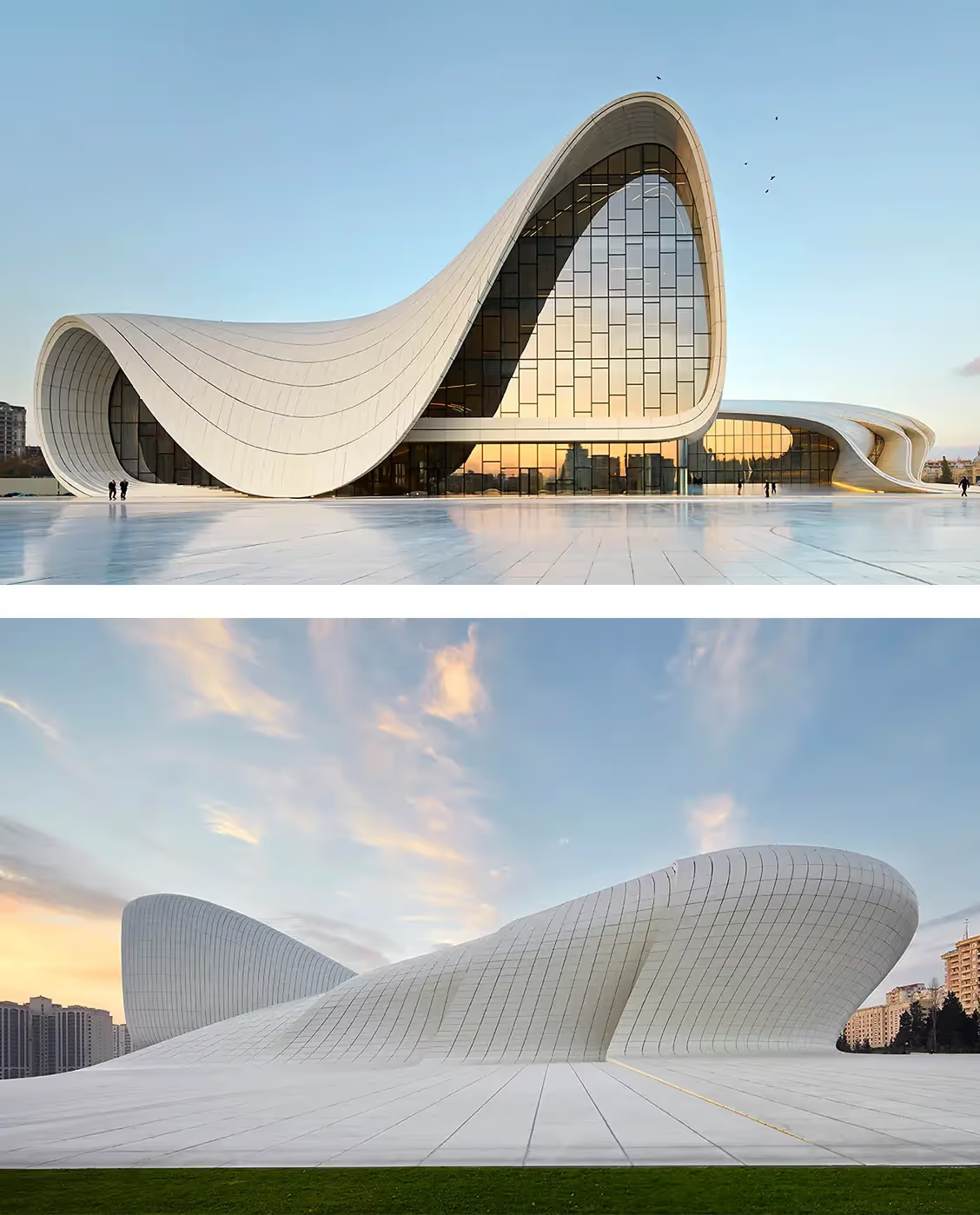
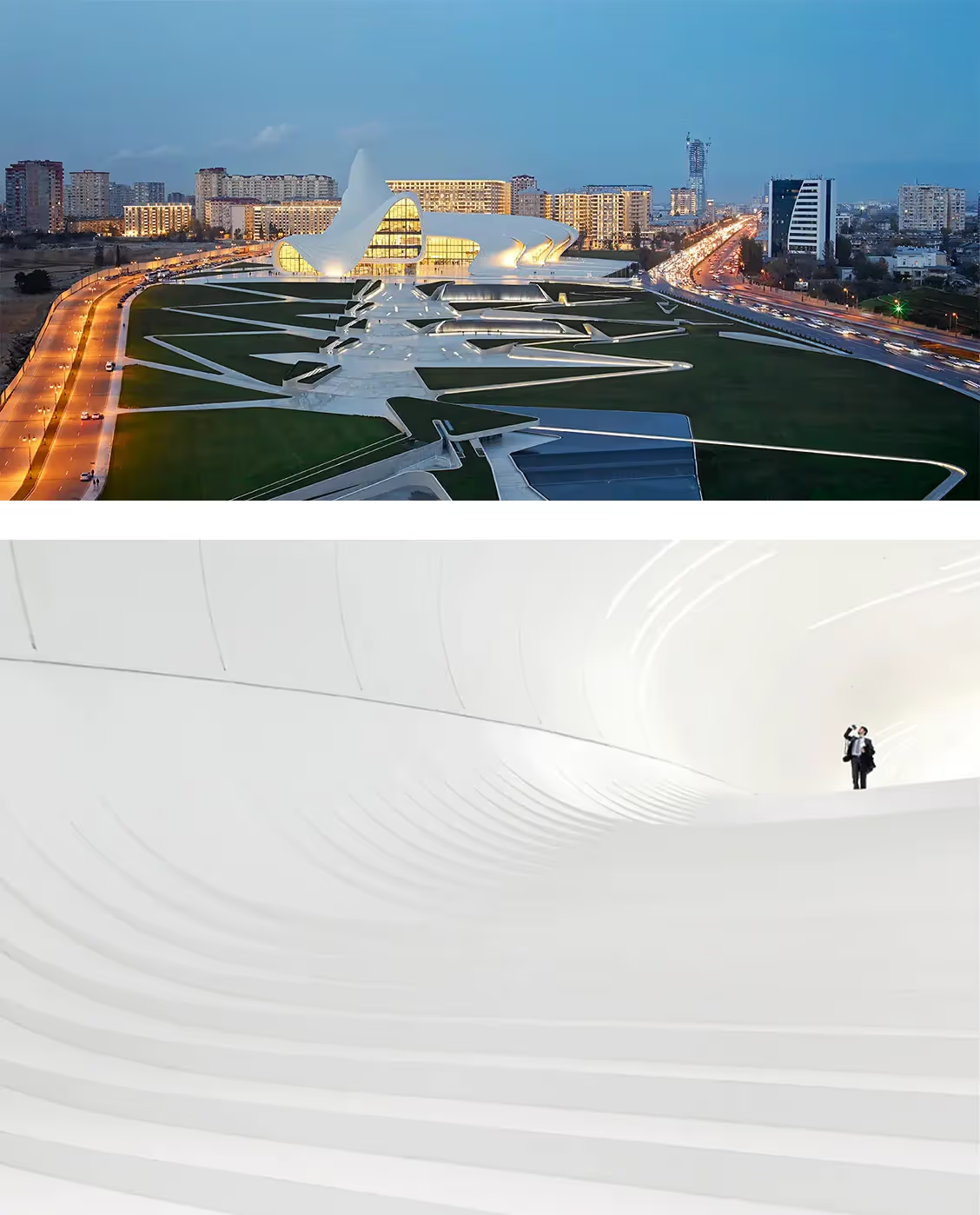
Heydar Aliyev Centre
Photography by Hufton+Crow, courtesy of Zaha Hadid Architects
Clad in reinforced concrete and polyester, the Heydar Aliyev Centre in Azerbaijan is known for its swooping facade. Smooth curves forming the exterior shell, mask extreme engineering. The centre’s interior is marked by its undulating fluid structure, blending walls and floors into ceilings in one continuous flowing motion. “You don’t know where it all starts and ends”, Hadid described.
The Legacy of Zaha Hadid (1950–2016)
Zaha Hadid remains one of the most influential figures in contemporary design. Her work reshaped architecture not simply through bold form, but through a new way of thinking about space, movement and experience. Long after her passing, her influence continues to shape how we design and inhabit the built world.
Born in Baghdad and trained in mathematics before studying architecture in London, Hadid approached design with both precision and imagination. From the outset, her work challenged convention, pushing against rigid structures in favour of flowing, expressive forms that feel dynamic and alive.
Architecture in Motion
Hadid’s architecture is instantly recognisable. It is often described as fluid, but this quality is grounded in careful control rather than excess. Curves, planes, and transitions are used to guide movement, soften boundaries, and create continuity between spaces.
Rather than relying on symmetry or traditional order, her work unfolds gradually. The experience of moving through a Hadid building is intuitive, with each space leading naturally to the next.
I have always appreciated those who dare to experiment with materials and proportions.

Inspired by occurrences in nature, the highly reflective surface of the Serenity Platter is interrupted by an undulating edge imitating the impact of a disturbance in a pool of water. This versatile piece is made from polished stainless steel, with a food-safe finish.

From Vision to Reality
Many of Hadid’s early projects existed first as drawings and paintings. These works were radical at the time, proposing forms that seemed impossible to build. Yet they laid the foundation for a new architectural language, one that would later be realised through advances in engineering and digital design.
Her built projects, from cultural institutions to civic landmarks, demonstrate how those early ideas evolved into physical spaces. Buildings such as the MAXXI Museum in Rome or the Heydar Aliyev Center in Baku feel sculptural yet purposeful, expressive yet grounded in function. They are as much about how people move through them as how they look.
A Distinct Design Philosophy
At the heart of Hadid’s work was a belief that architecture should inspire curiosity and emotion. She viewed space as something fluid and adaptable, shaped by human movement and interaction. Geometry became a tool for expression rather than constraint, allowing structure to respond to context in unexpected ways.
This philosophy extended beyond architecture. Through furniture, lighting and objects, her design language found new forms of expression at a more intimate scale. The same sense of flow and precision appears, translated into pieces that feel sculptural yet usable.
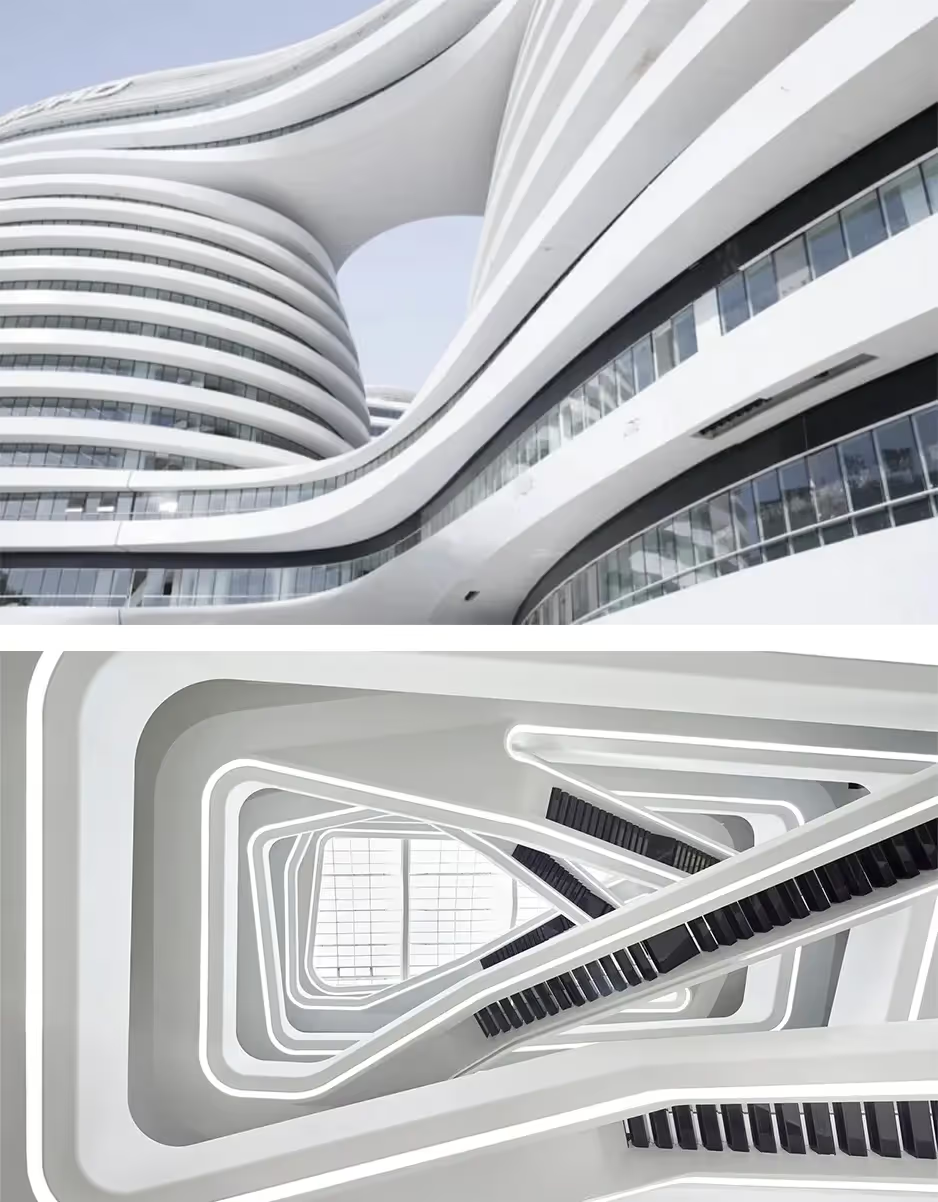
Galaxy Soho
The Galaxy Soho’s architecture is a composition of four continuous, flowing volumes that are linked by stretched bridges. There are no corners or abrupt transitions in sight, just seamless, uninterrupted fluid forms that are characteristic of Hadid’s style.
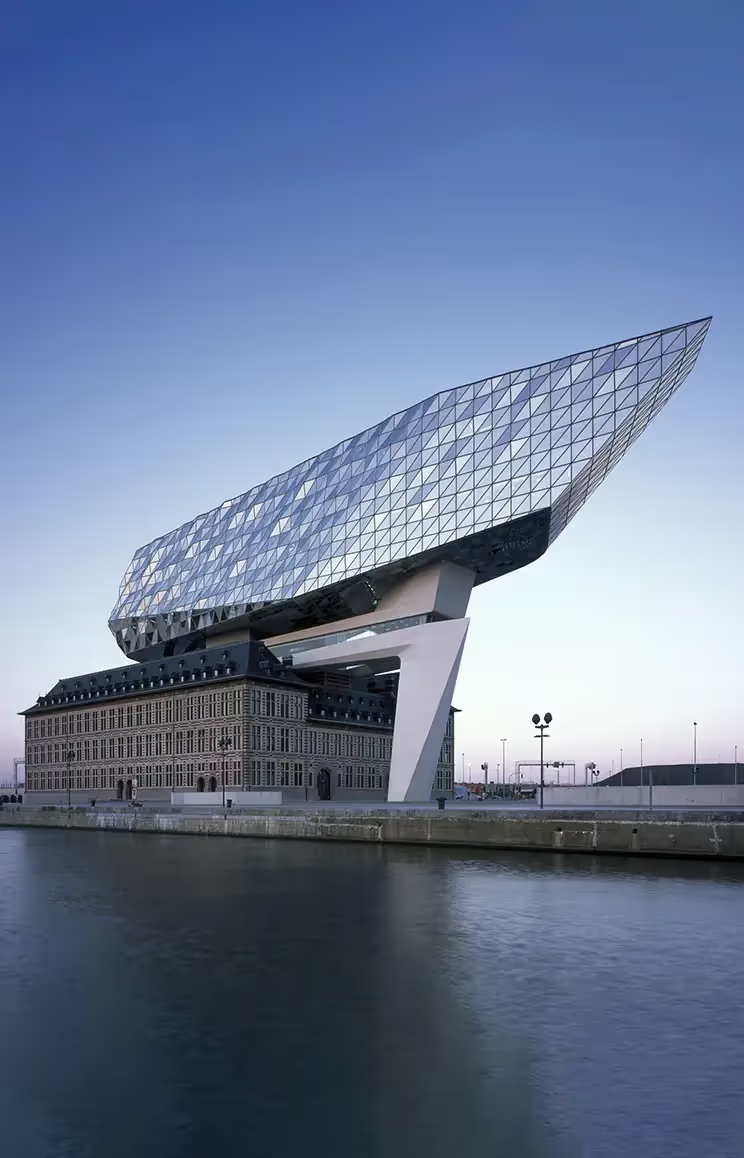
Port House
Architecture is not only about shelter; it should be able to excite you, to calm you, to make you think.
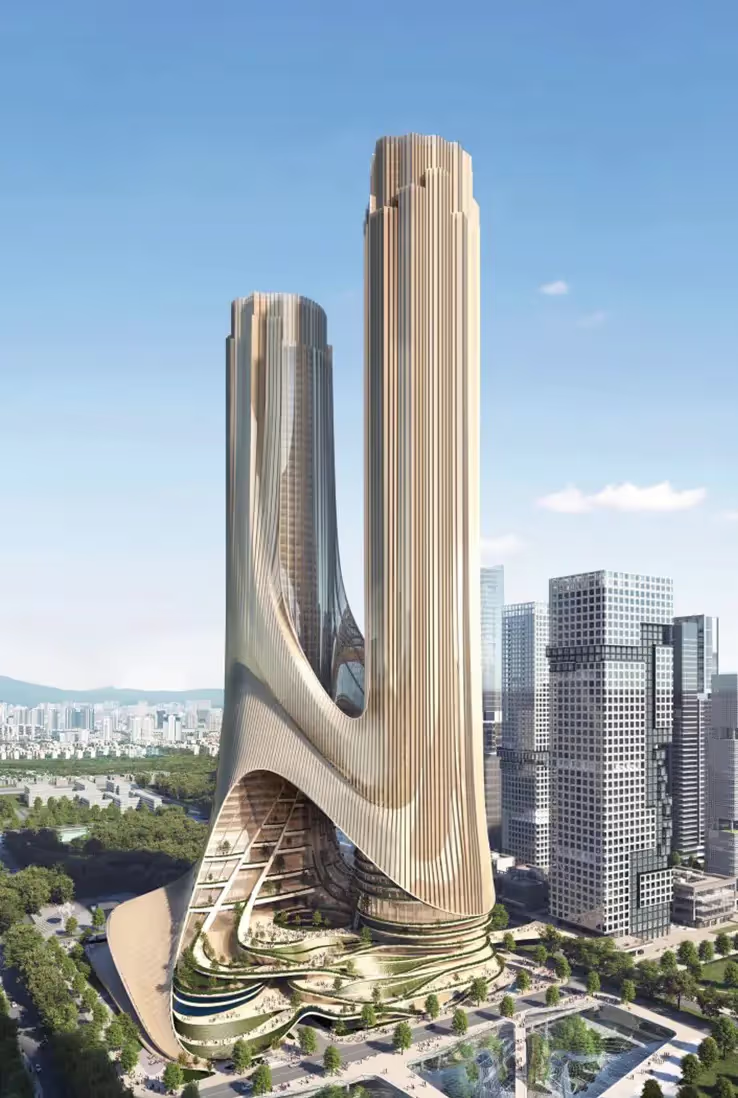
Tower C
Shaping the Discipline
In 2004, Zaha Hadid became the first woman to receive the Pritzker Architecture Prize. Her recognition reflected not only the originality of her work, but her persistence in pursuing a singular vision.
She challenged established norms within architecture and expanded what was considered possible, both formally and culturally.
An Ongoing Influence
Today, Zaha Hadid Architects continues to develop projects that reflect her design language, from civic buildings to furniture and objects. Her influence extends into interiors and product design, where architectural thinking is scaled down into tactile, functional pieces.
This crossover between architecture and objects aligns with the way contemporary interiors are approached, where form, function, and atmosphere are closely connected.
Zaha Hadid Design (ZHD)
Zaha Hadid Design was established in 2006 by the celebrated architect. Her vision was to push the boundaries of contemporary design by embracing the latest technological and material advances. The company is now led by co-directors Woody Yao and Maha Kutay, both Associate Directors of Zaha Hadid Architects, who align with Hadid’s passion for forward focused, contemporary design.
At Good Form, we’re drawn to this same spirit of curiosity and refinement. It’s why Zaha Hadid Design holds a natural place within our collections, bringing architectural thinking into everyday environments through objects that are both expressive and enduring.
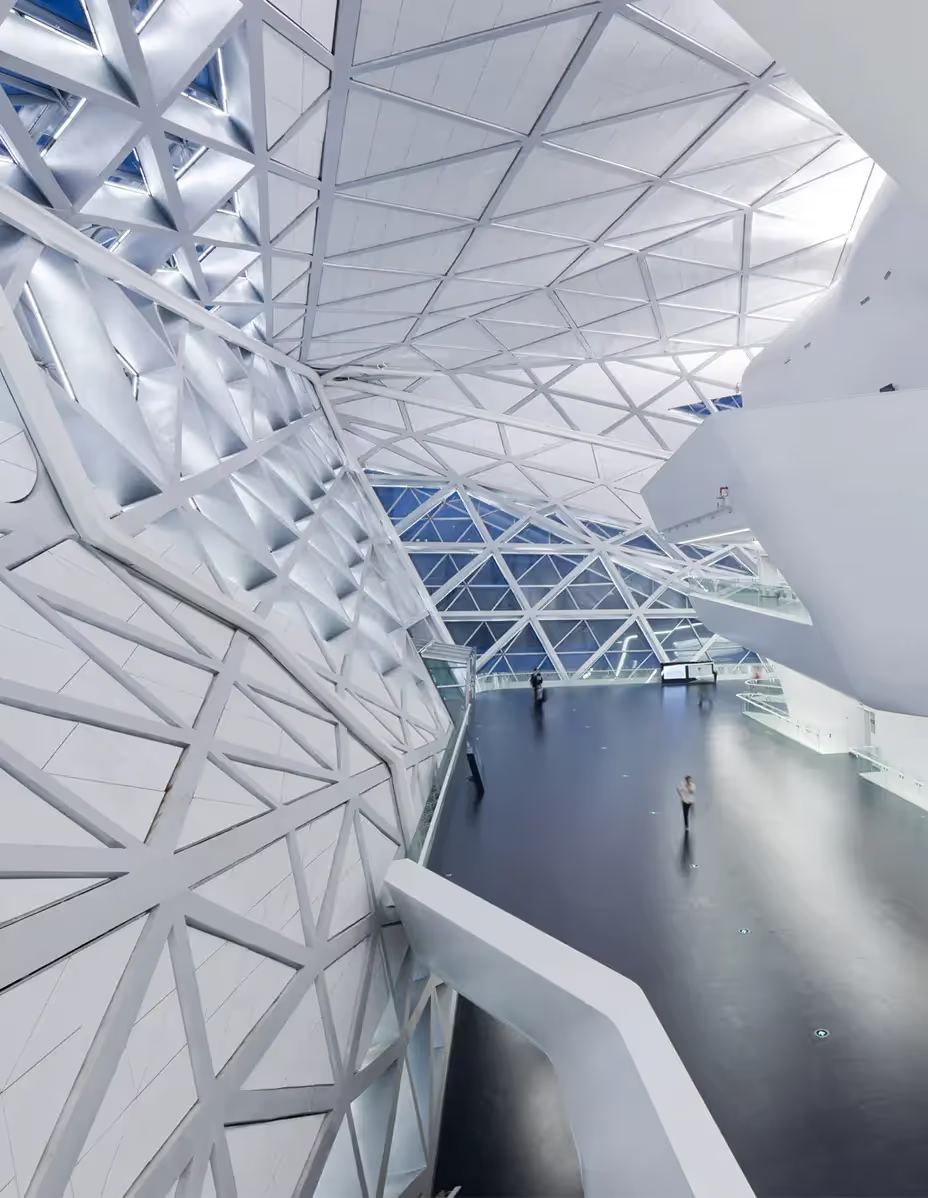
Guangzhou Opera House
There are 360 degrees, so why stick to one?