Mid-century furniture pieces continue to inspire designers and find a place in contemporary interiors with memorable, sculptural forms. This furniture collection from Warm Nordic features organic forms with the Fried Egg Sofa, Fried Egg Chair and Surfboard Coffee Table in a neutral setting punctuated by warm, fresh colours.
Curved forms in furniture are dominating interior design, blending comfort with artful expression. Organic silhouettes are replacing rigid lines to create spaces that feel more inviting and fluid. This shift reflects a growing desire for environments that promote well-being, calmness, and tactile pleasure in everyday living. Designers are embracing curves in sofas, chairs, tables and shelving, often paired with rich textures like bouclé, velvet, and natural wood to amplify warmth and depth.
Curved pieces not only soften a room’s visual impact but also enhance flow and spatial harmony, especially in open-plan layouts. This trend is influenced by a resurgence of mid-century aesthetics and futuristic forms, marrying nostalgia with innovation. As sustainability continues to shape design values, many curved-form furnishings are crafted from eco-friendly materials, making this trend both stylish and thoughtful for modern homes.
.webp)
The latest designs from Karimoku Case feature sculptural lines with an enveloping, contoured shape to the seat and organic table tops with softened edges. Images taken from the Azabu Hills Case Study with the A-S02 Lounge Chair, N-CT04 Coffee Table, N-SW01 Swivel Chair and N-ST02 Coffee Table.
The shift towards curved forms reflects a growing desire for environments that promote well-being, calmness, and tactile pleasure in everyday living.

Hans Olsen’s unique Fried Egg design has assumed new dimensions and can now grace the living room in the shape of an exclusive, playfully-designed sofa. The highly acclaimed Danish architect/designer Hans Olsen was known for his highly experimental, original furniture. Based on a desire to perpetuate iconic Nordic design, Warm Nordic is launching the impeccable Fried Egg sofa with its distinctive armrests in collaboration with Hans Olsen's descendants.
Fried Egg is rooted in 1950s Danish Modernism and appeals to design lovers who like an edgy touch in their homes in the shape of an extraordinary piece of designer furniture that features both personality and warmth. The idiom of the sofa is the same as that of the affectionately-nicknamed Fried Egg armchair, but brings together the playful lines in a friendly, well-balanced design. The two flat armrests open up to the world, inviting you to get cosy and recline in the sofa.

Warm neutrals have emerged as a defining interior design trend, creating spaces that feel both timeless and comforting. Shades like beige, taupe, terracotta, and soft caramel are replacing stark whites and cool grays, infusing interiors with cosy sophistication. These hues evoke a sense of calm and grounding, making rooms feel inviting without overpowering the senses. Designers are layering warm neutrals across walls, textiles, and finishes to build depth and dimension, often combined with natural materials like wood, clay, and woven fibres.
This trend reflects a broader cultural shift toward well-being and mindfulness, where homes act as refuges from overstimulation. Warm neutrals also serve as an ideal backdrop for personal expression, allowing accent pieces to stand out. Whether in modern minimalism or eclectic vintage mixes, warm neutrals in 2026 emphasise harmony, balance, and enduring style that feels both fresh and familiar.
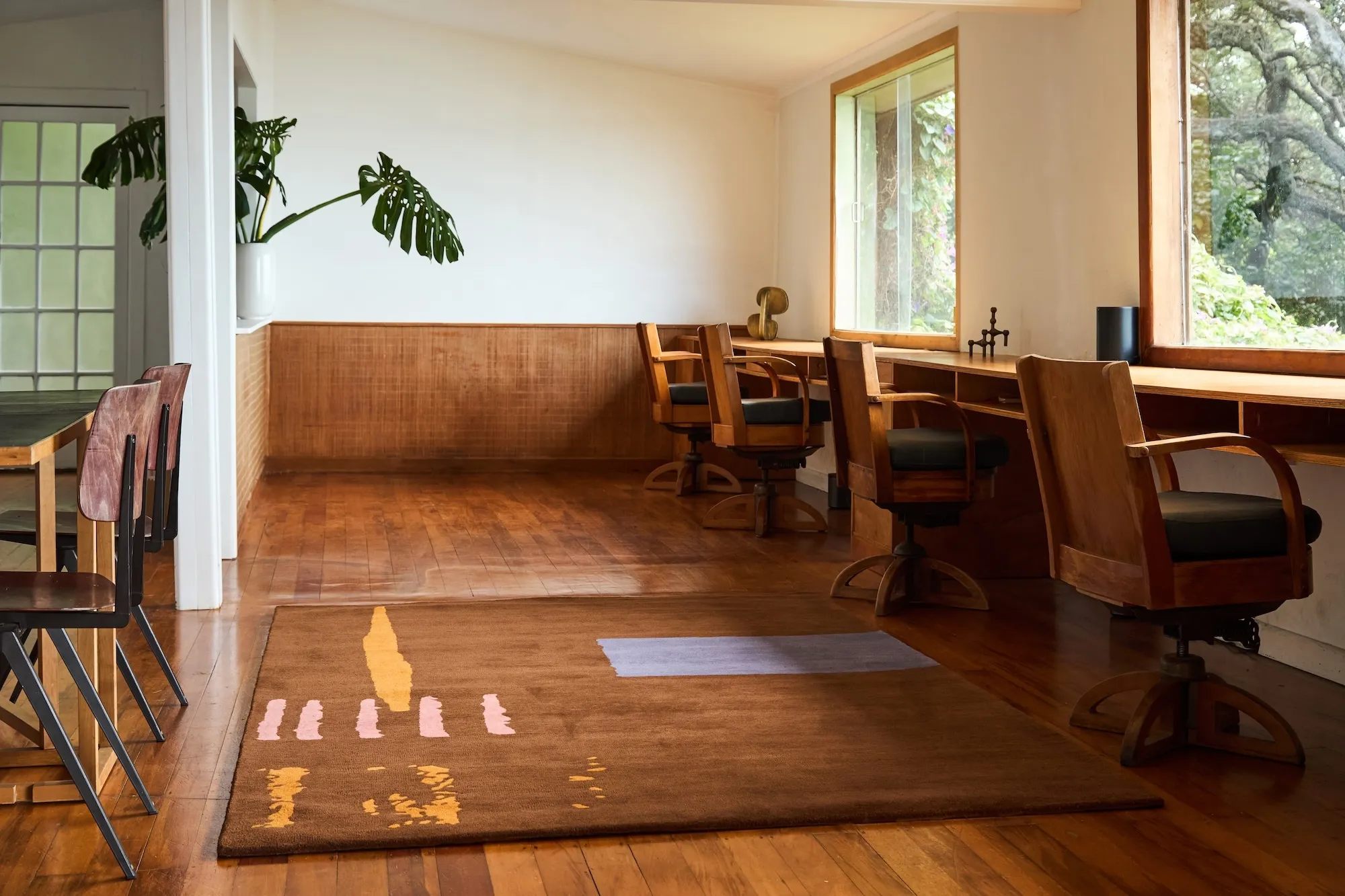
Walker and Bing's Fez Rug included this warm neutral colour way within the rug collection produced for Dilana which combines a powdery blue shade alongside sepia, saffron and tonal pink.
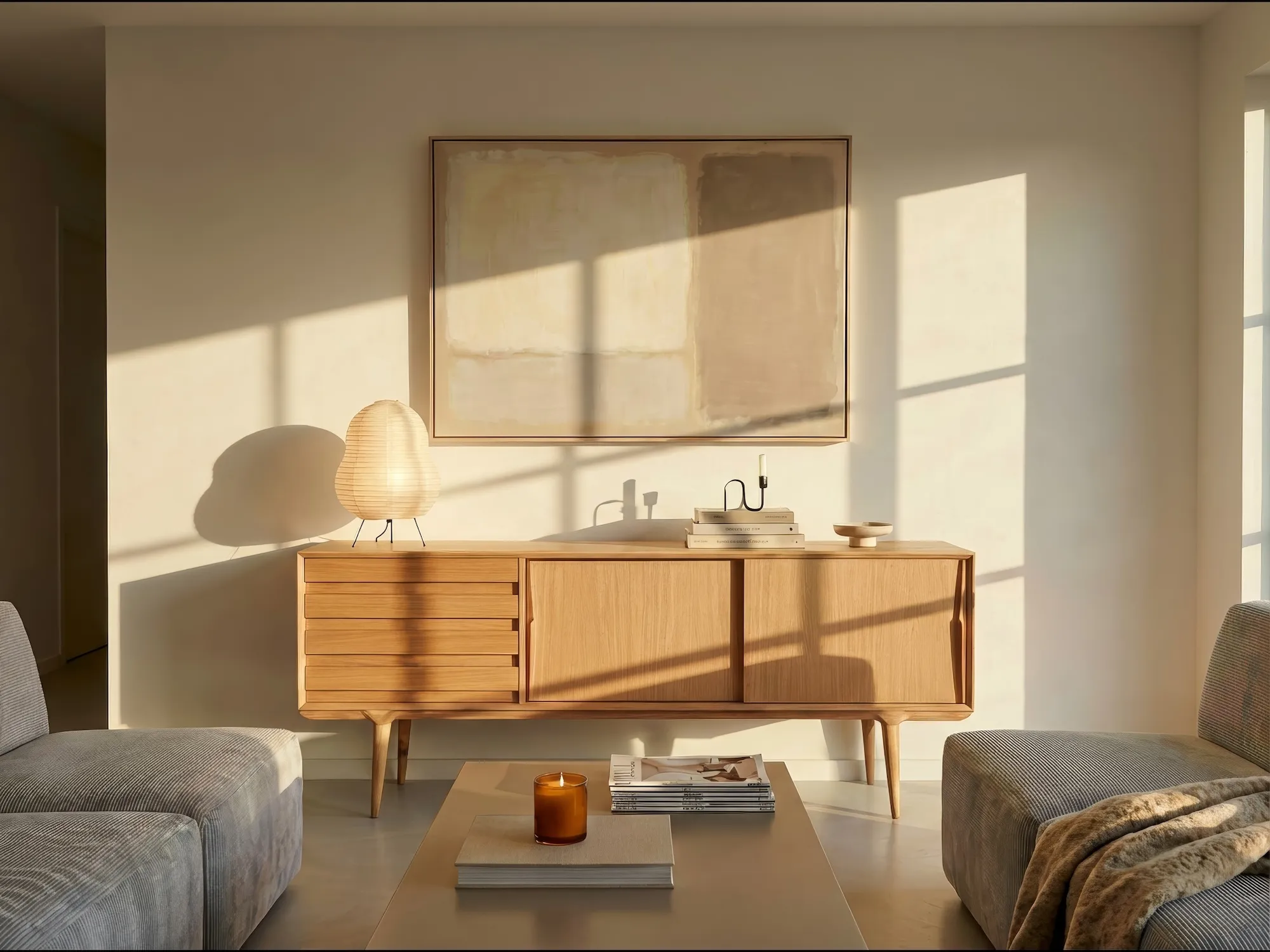
Tonal graduations shown in this image of an Omann Jun Sideboard in Oak, featuring artworks, objects and textiles with tones in blush, amber, cream and subtle earthy shades.
The move towards warm neutrals reflects a broader cultural shift toward well-being and mindfulness, where homes act as refuges from overstimulation.
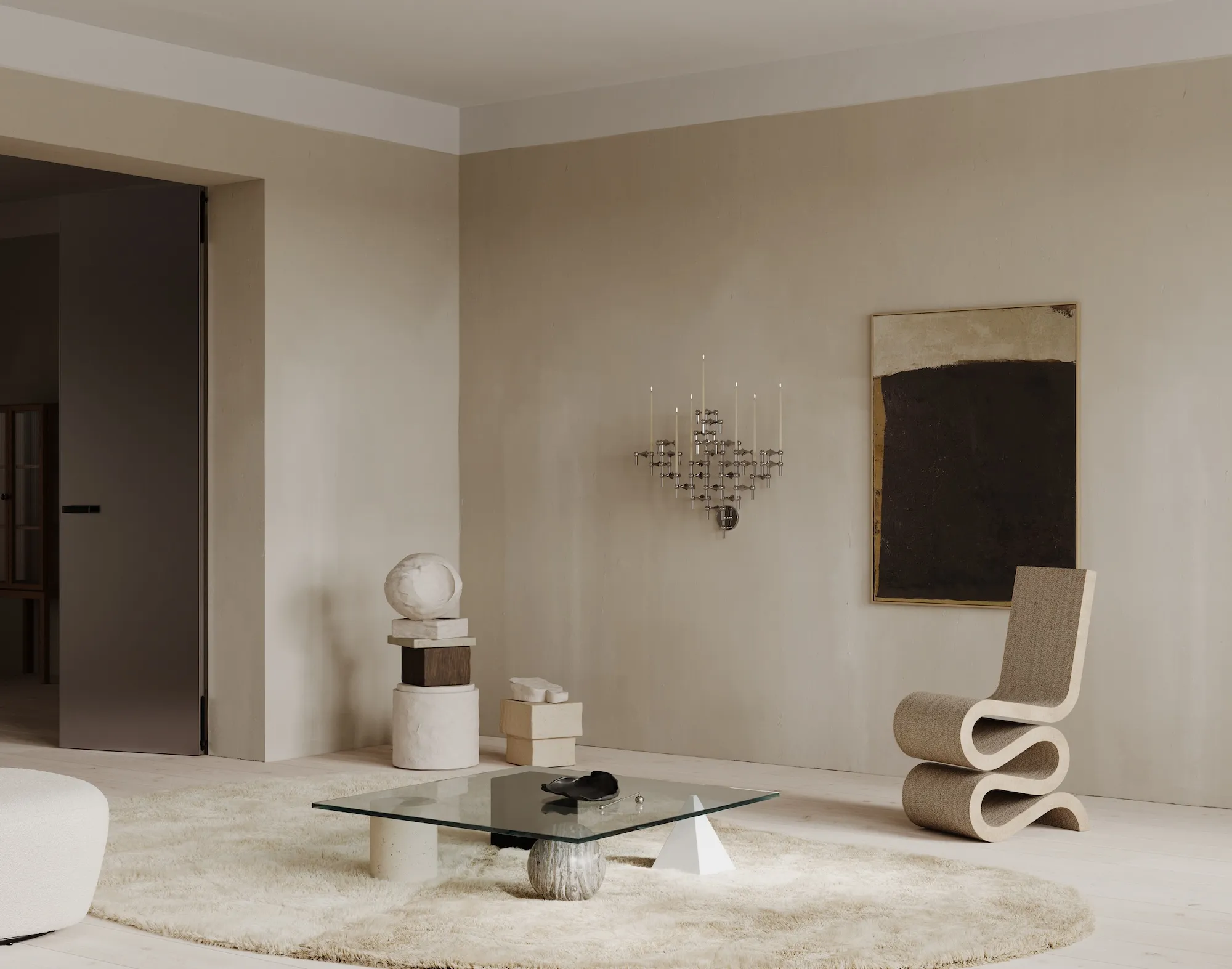
The sculptural Stoff Wall Hanger is presented in an immersive, conceptual space with a spectrum of warm neutral finishes and textures.
.webp)
The Marino Chair and Windsor Coffee Table by Ercol combines warm Ash timber with a textural velvet. To accompany this piece smaller scale pieces are thoughtfully curated and displayed to create an engaging sense of texture with unique shapes.
Texture maxing is transforming interiors into richly layered, sensory-driven environments. This trend celebrates bold combinations of tactile materials—think bouclé upholstery, woven rattan, hand-trowelled plaster, nubby linens, and raw timber—to create depth, warmth, and visual intrigue. Rather than relying on colour alone, designers are using texture as the primary tool to define space and evoke emotional comfort.
Texture maxing encourages juxtaposition, pairing smooth stone with inviting rugs or sleek metal fixtures with hammered ceramics. The result feels curated yet organic, blending high-end craftsmanship with artisanal imperfection. This approach reflects a wider cultural desire for tangible, human-centered spaces in an increasingly digital world. Through layering textures, rooms become more inviting and engaging, appealing to sight and touch alike. Whether in cozy living rooms or sleek kitchens, texture maxing in 2026 is all about individuality, warmth, and a richly sensory experience that transforms everyday living spaces into tactile sanctuaries.
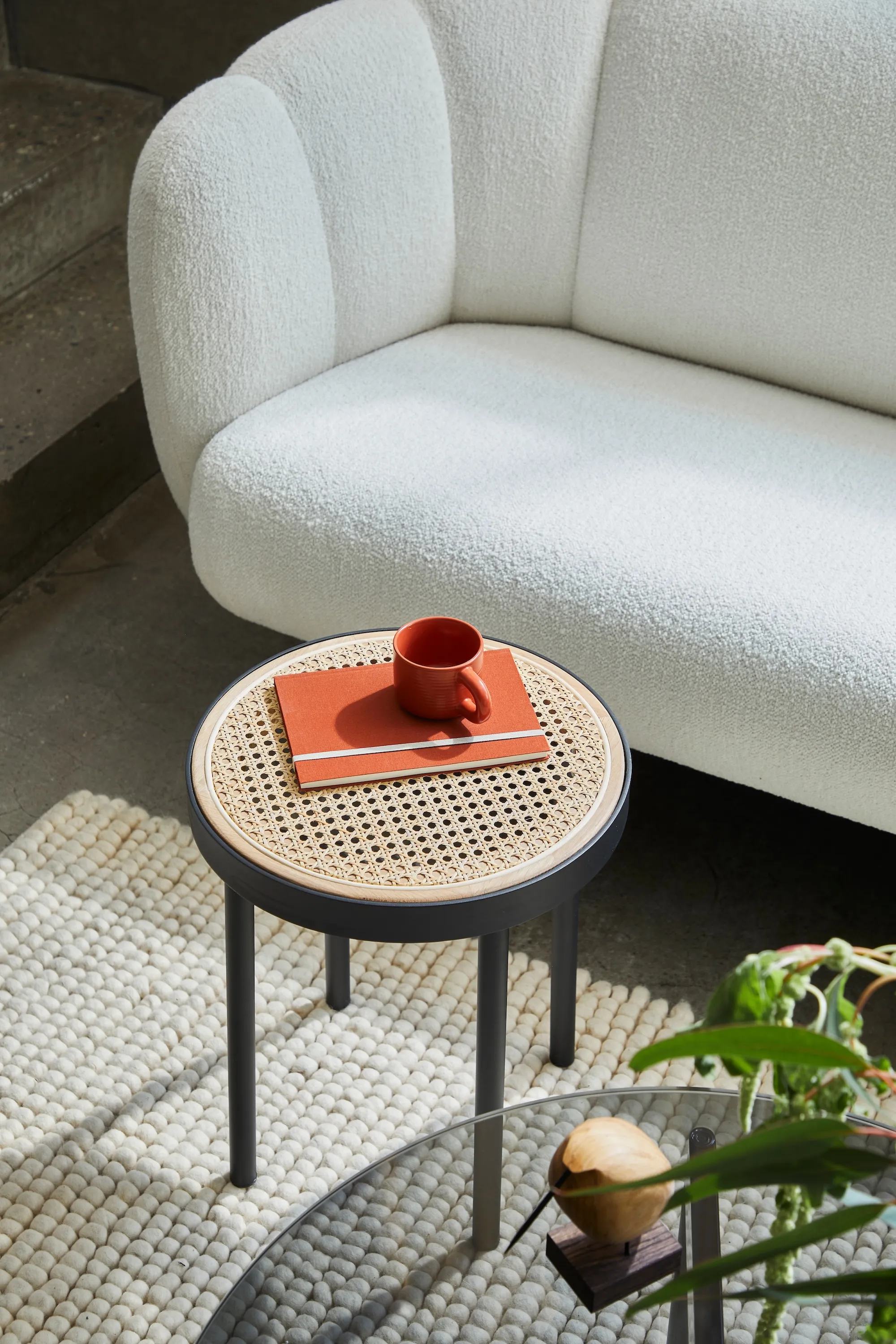
Warm Nordic layers the use of woven cane with bouclé in a pairing of the Be My Guest Stool and Cape Sofa.
Rather than relying on colour alone, designers are using texture as the primary tool to define space and evoke emotional comfort.
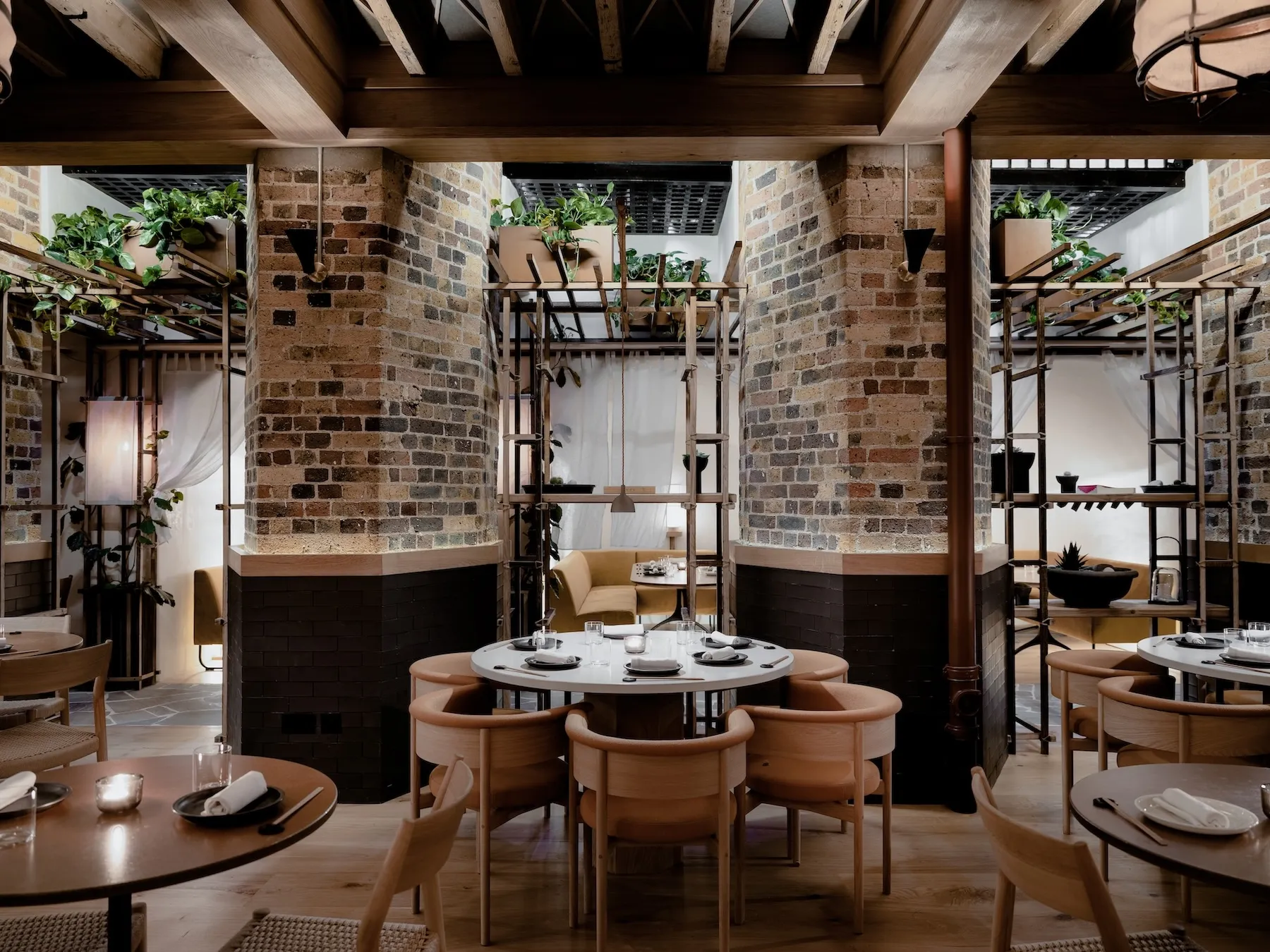
Karimoku Case N-SC01 Dining Chairs placed into a restaurant setting showcase the repeated round shape through the table and chairs along with a muted neutrals palette of materials. Case Study – Pantechnicon Restaurant, London.
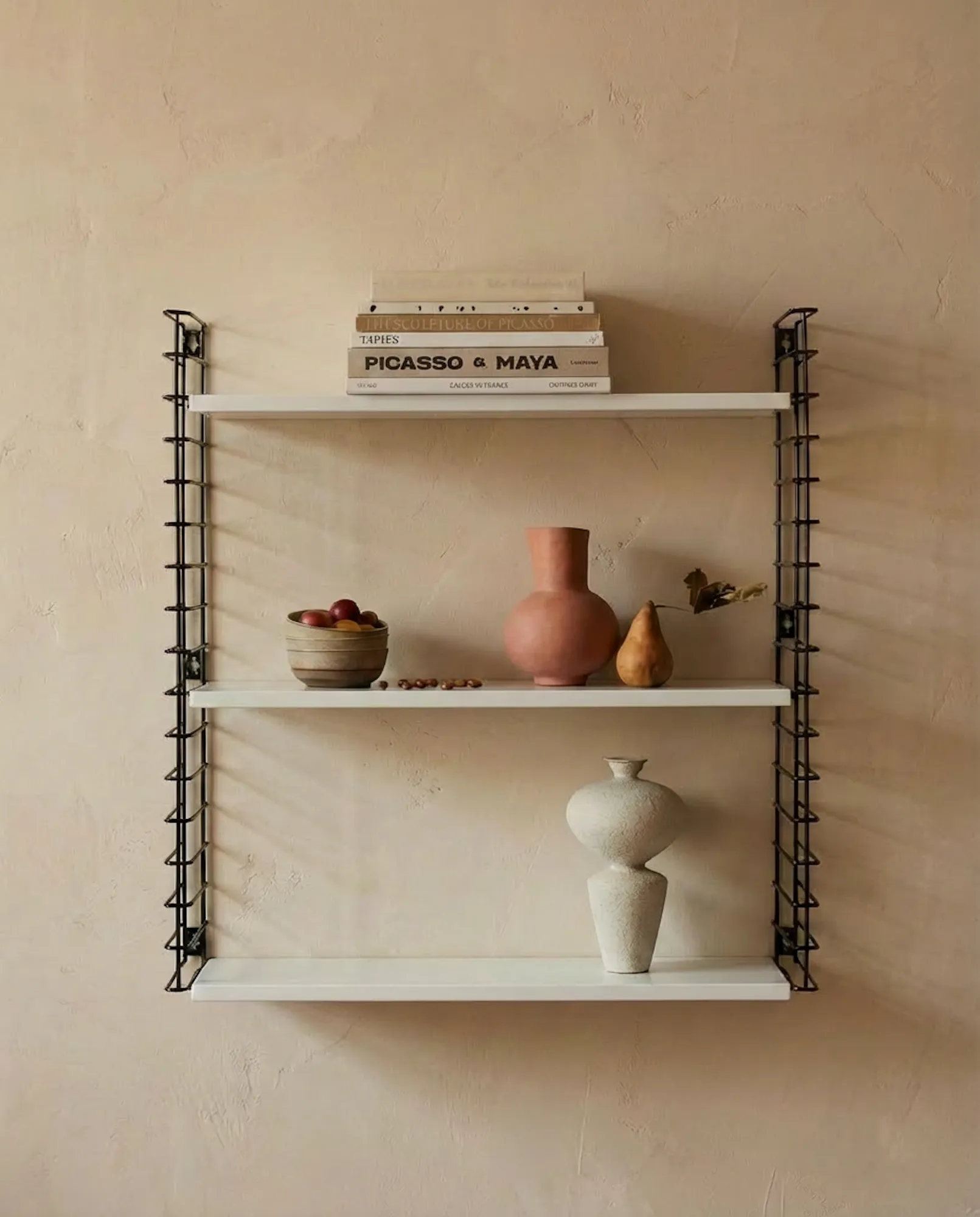
Tomado Shelving offers a space to display curated objects – seen here with organic raw finish pottery pieces and groupings of books.