Laguz’s textured cast iron surface and distinctive handle, seen against books and warm timber. Image courtesy of Nedre Foss.
A familiar object, an unexpected character
At first glance, Laguz might be a little figure standing guard over a row of books. Turn it and the profile shifts: a sloping body, an open space beneath the handle, a strong line reaching forward. Its usefulness is easy to understand, but its character takes a little longer to settle. That is part of the pleasure.
For Julie Richoz, leaving room for interpretation was central to the design. She imagined a household weight that could move between tasks, with holding books as one possibility. Even the name leaves something to discover: Laguz refers to the water-associated l-rune of the Older Futhark alphabet.
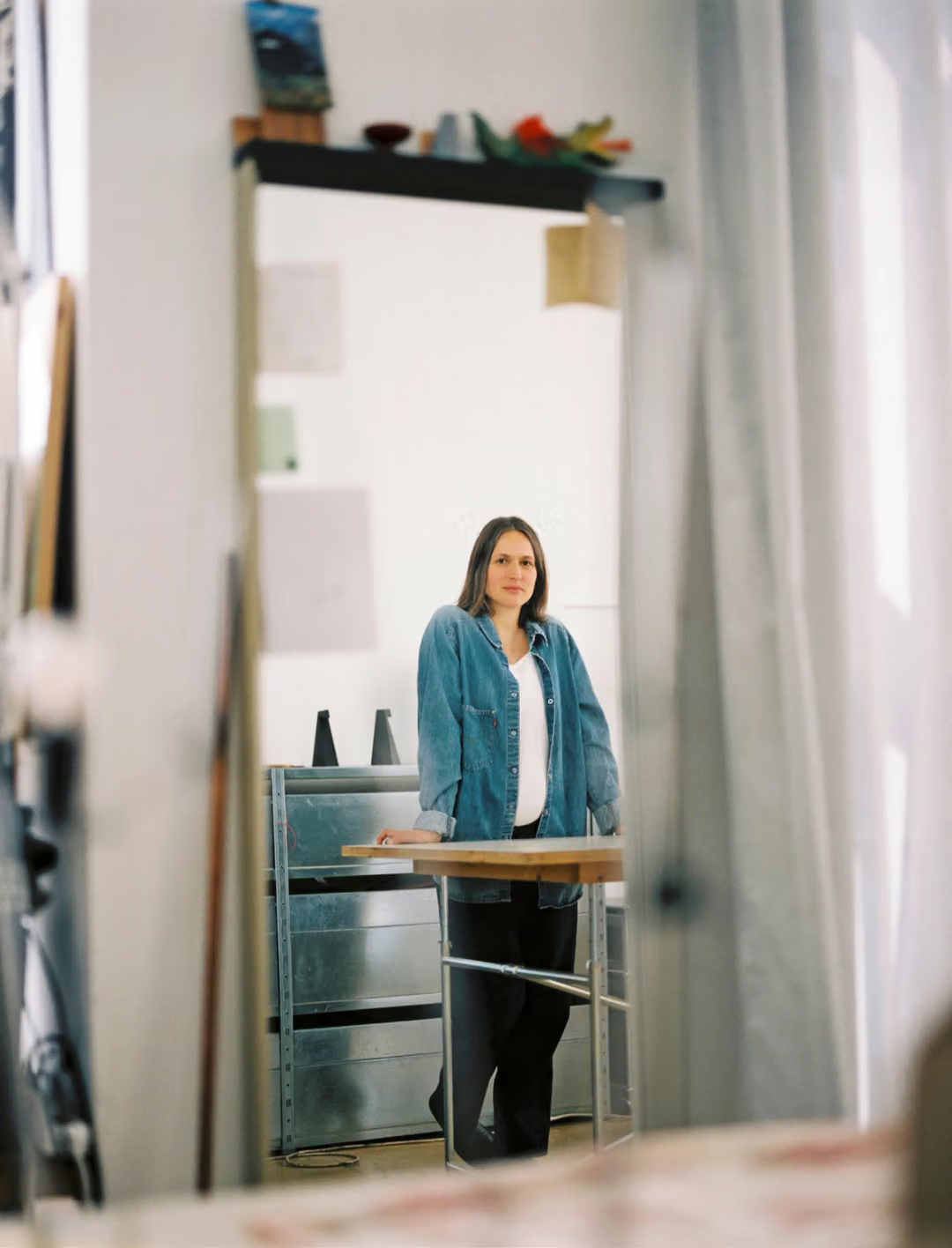
Working from Paris, Richoz moves between objects, furniture, lighting and textiles. After studying at ECAL in Lausanne, she worked with Pierre Charpin before establishing her independent practice. Collaborations with Vitra, Alessi and HAY sit alongside work with Galerie kreo. Across that range, her interest in materials and the skill of making gives a small domestic object the same thoughtful attention as a larger piece.
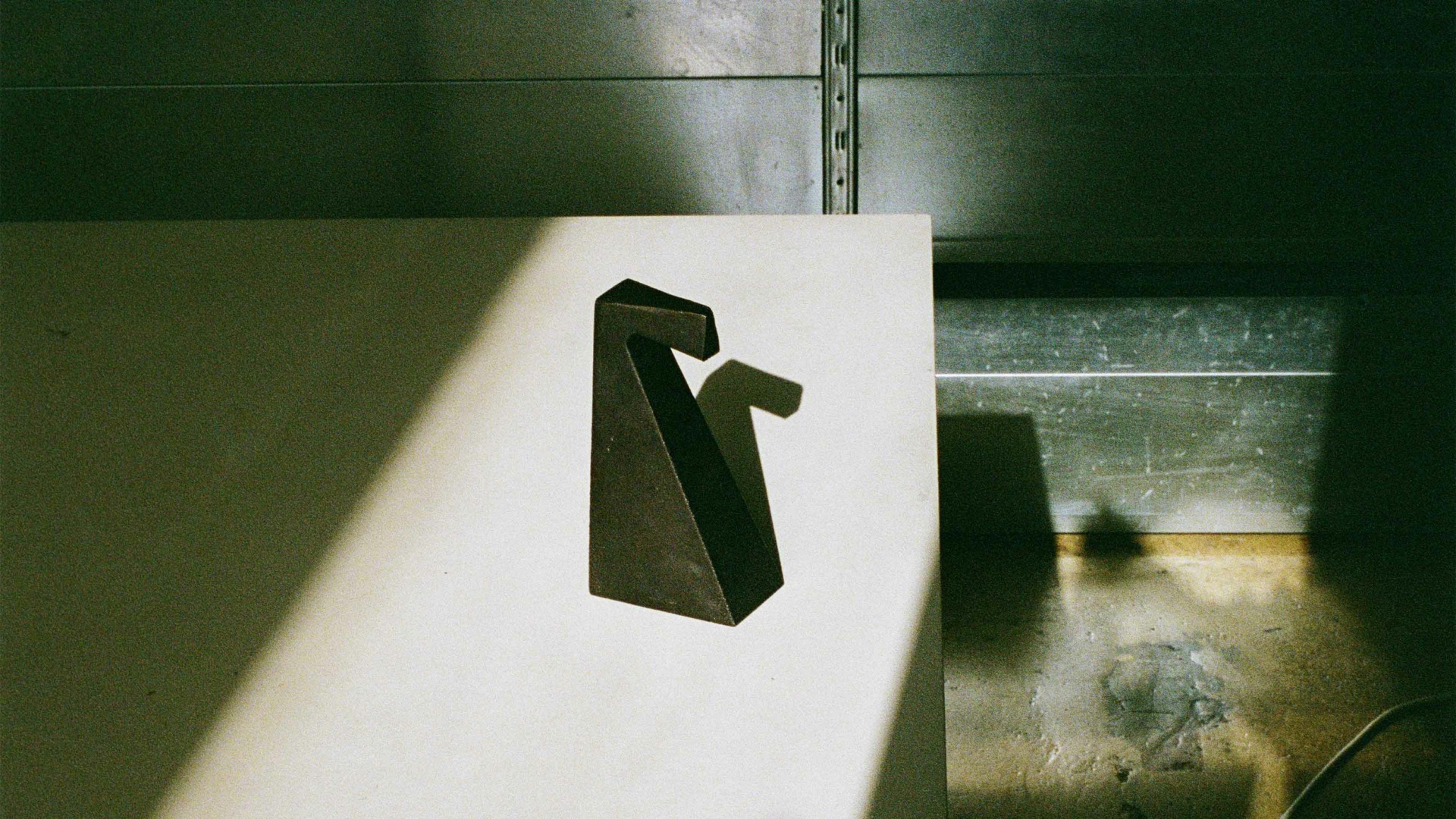
An angular silhouette, doubled by its shadow. Laguz by Julie Richoz for Nedre Foss. Image courtesy of Nedre Foss.
My intention was to create an object open to interpretation.

Discover the Laguz Bookend, designed by Julie Richoz for Nedre Foss. Cast in Sweden, its textured iron surface and expressive shape bring a sculptural presence to a shelf or desk. Sold individually.
Designed by Swiss-French designer Julie Richoz, Laguz turns a practical bookend into a small sculpture. The sharply defined profile and textured cast iron surface give it a presence of its own, whether supporting a row of books or standing alone.
Laguz is cast in Sweden and cured with rapeseed oil. Each bookend weighs 3 kg and is sold individually.

From sketches to three kilograms of iron
Laguz developed through drawing, extensive digital modelling and 3D printing. Richoz took promising models home to observe them over time. The handle remained throughout the changing versions, with its ergonomics and the object’s centre of gravity helping guide the design.
The finished piece is manufactured in Sweden from approximately three kilograms of GG25 cast iron, seasoned with rapeseed oil at 290°C. Nedre Foss values iron for its durability and its capacity to be recycled and cast again. Here, that substantial material gives a compact object the weight to do its job.
What interests us is the relationship between that mass and the space beneath the handle. The opening gives the fingers somewhere to go while introducing a lively interruption in the outline. Light catches the grain of the surface, making a plain dark finish surprisingly varied. There is plenty to look at in a piece small enough to sit beside a few favourite books.
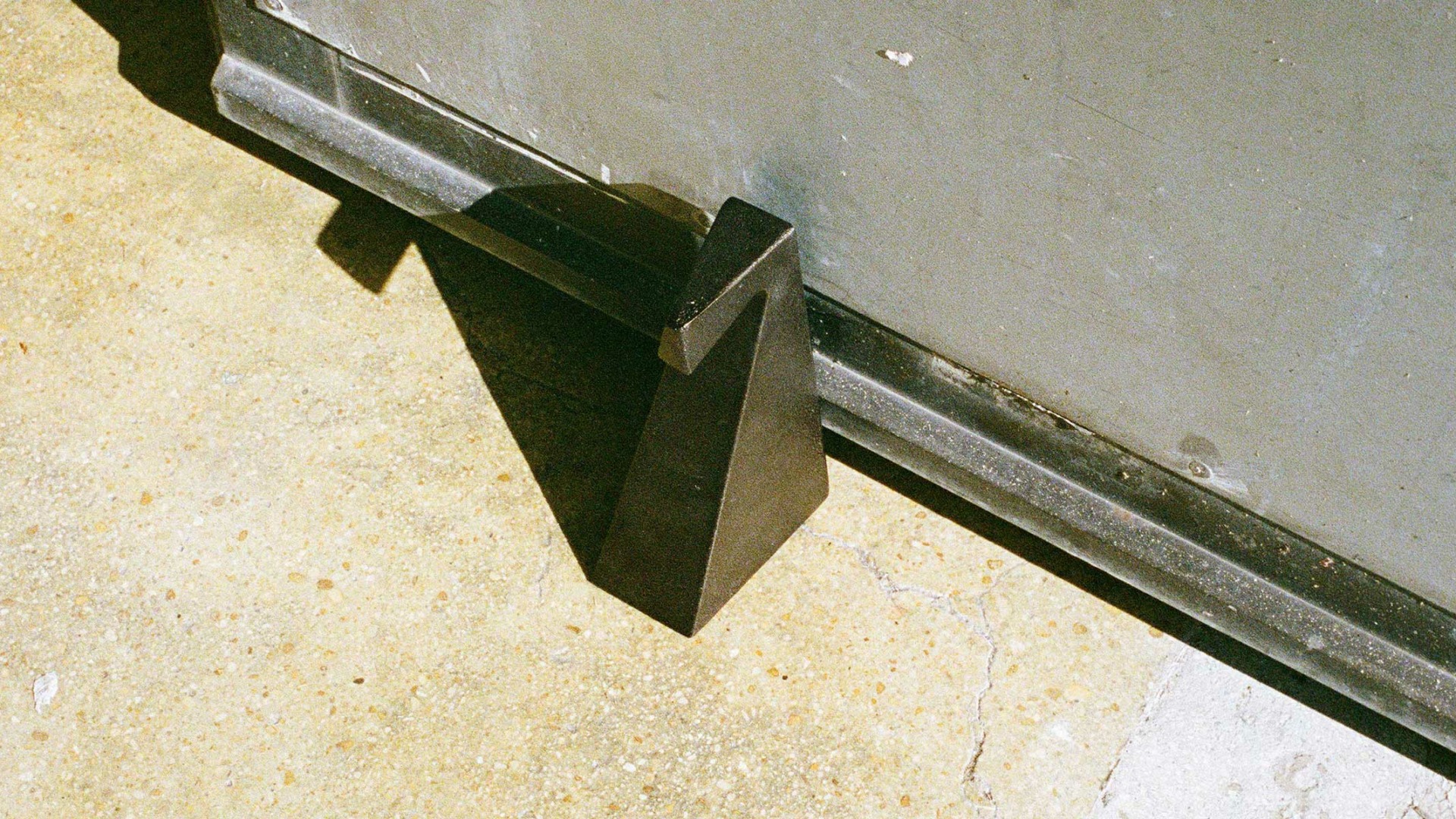
A household weight with possibilities beyond the bookshelf. Image courtesy of Nedre Foss.
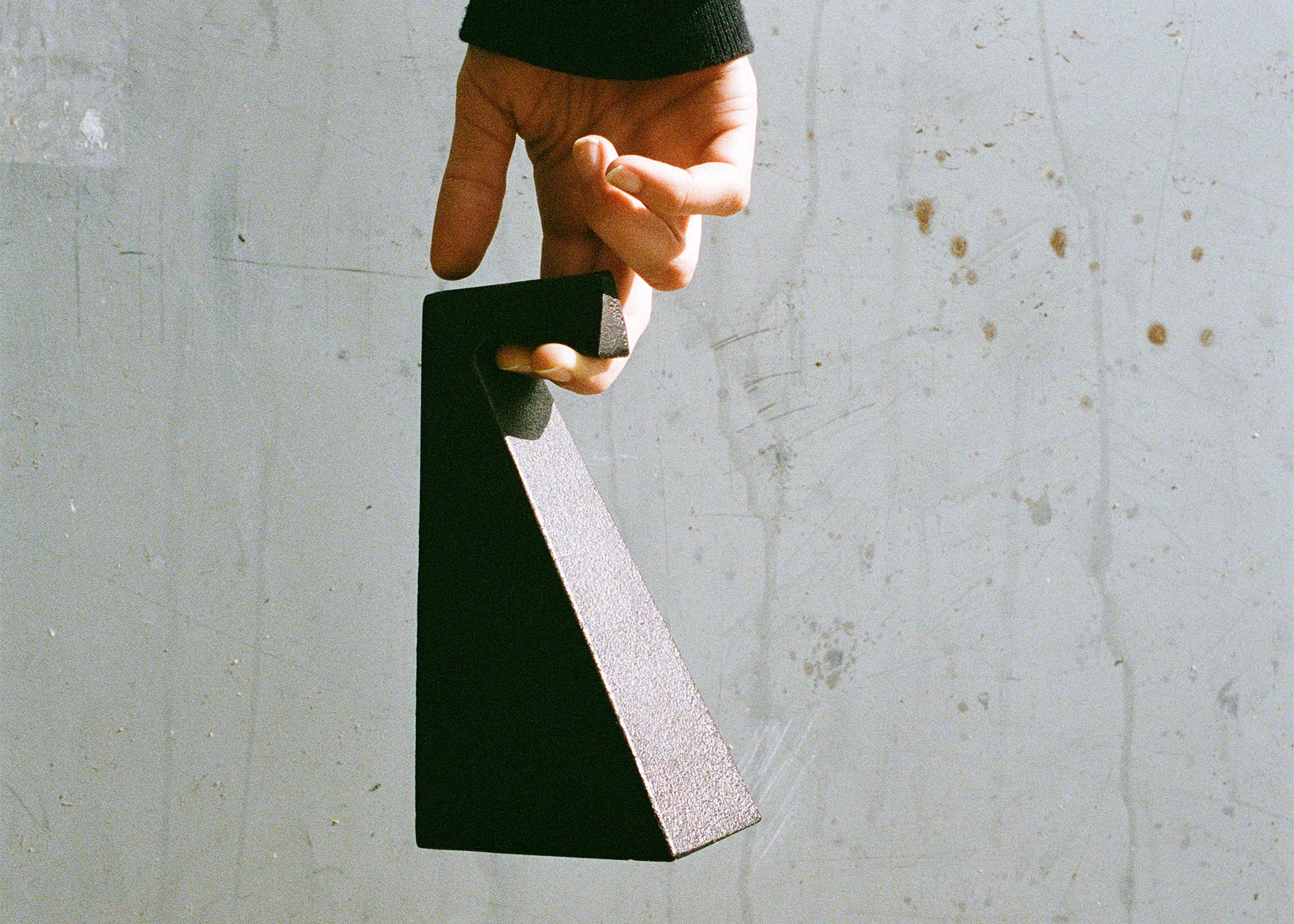
The handle makes Laguz portable and gives its silhouette a distinctive gesture. Image courtesy of Nedre Foss.
A handle was the only feature that remained constant across all iterations
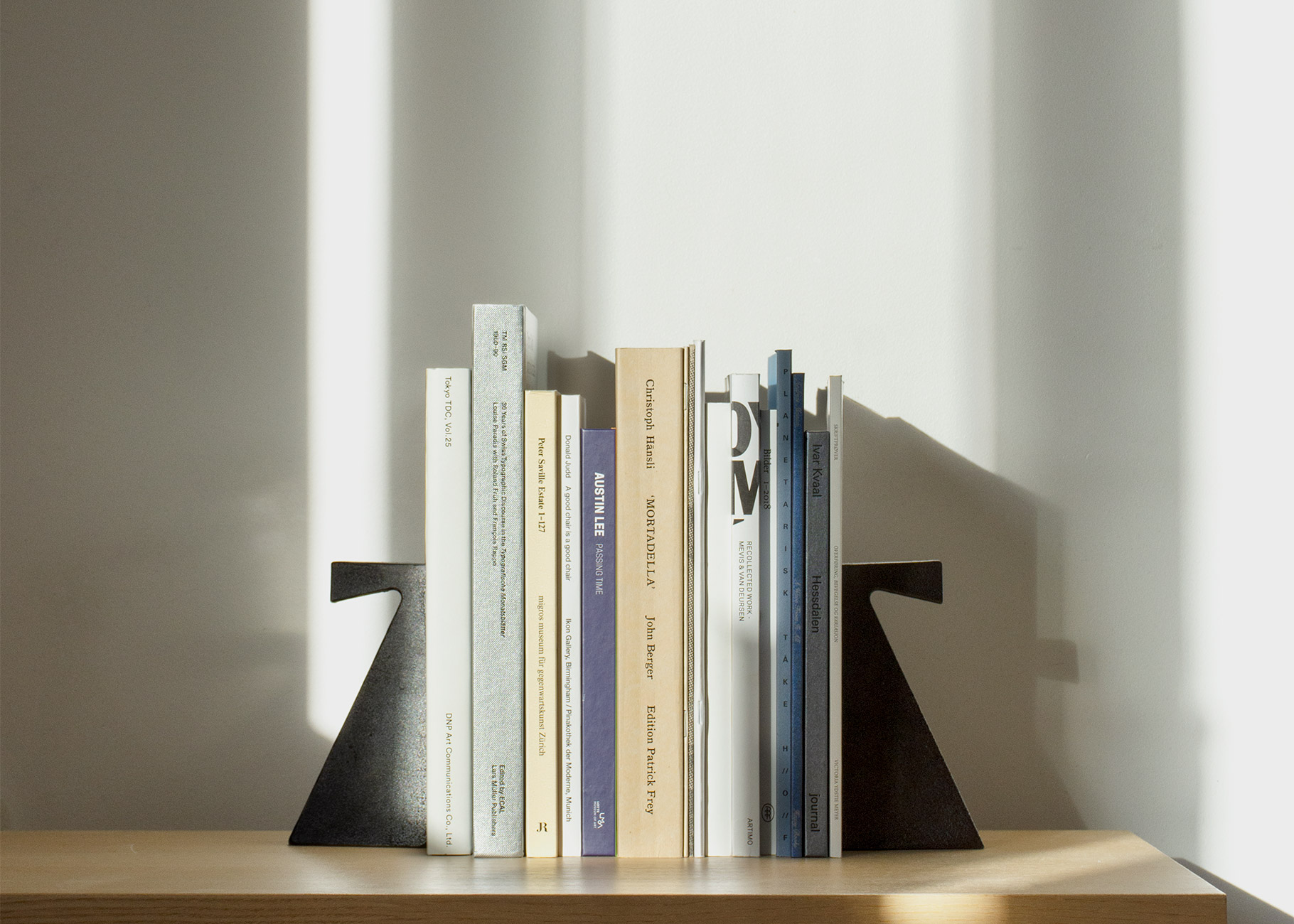
Useful and sculptural in equal measure. Photograph by Rikke Dyrnes for Nedre Foss.
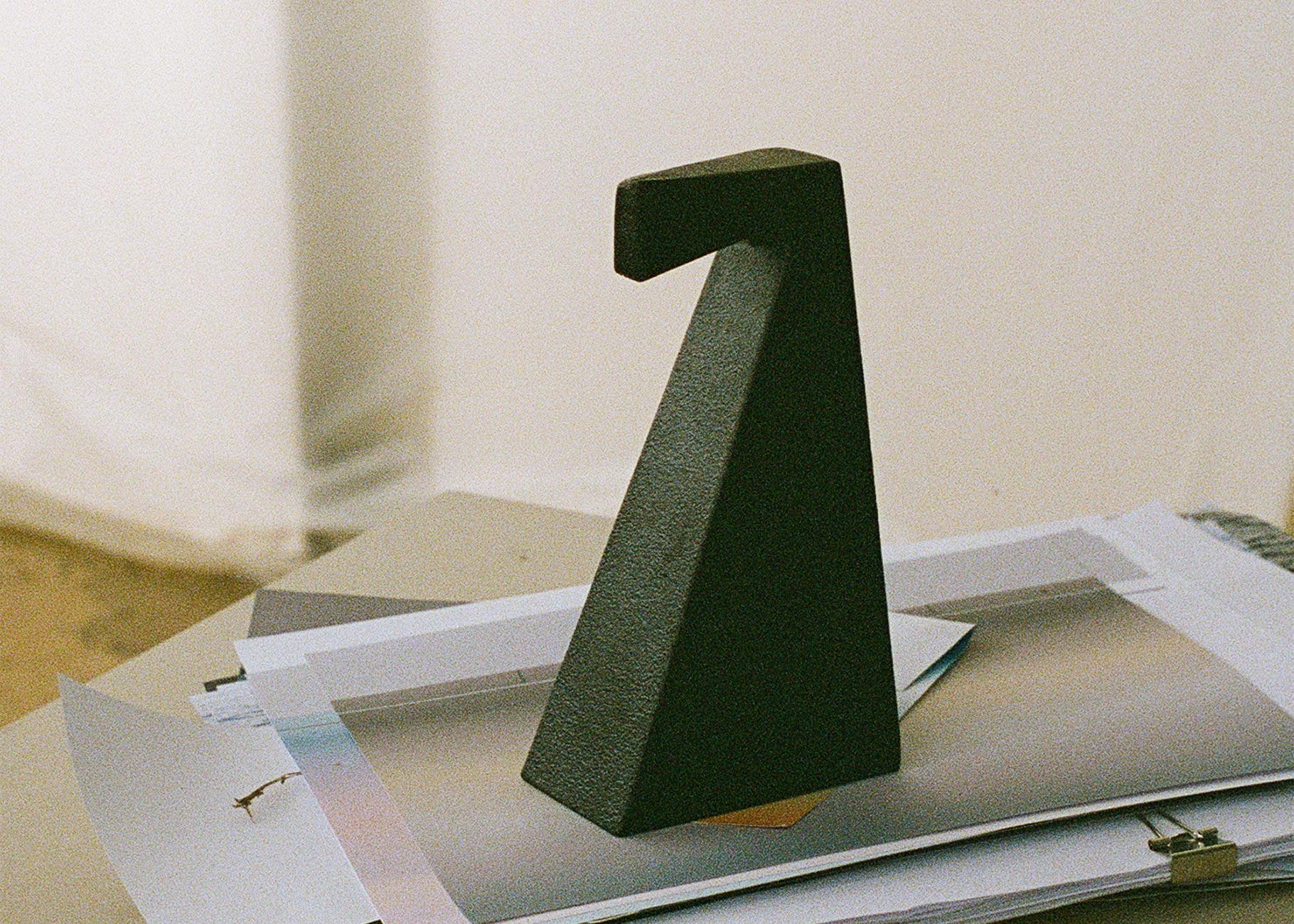
The material and the form provide the detail. Image courtesy of Nedre Foss.
Thinking in generations
Nedre Foss is directed by the Oslo design studio Anderssen & Voll. At its heart is the idea of the Century Product: an ambition to make objects that can serve for at least a hundred years. The brand calls its approach sculptural utility, giving beauty and practical purpose equal importance.
That ambition begins well before manufacturing. Nedre Foss considers both physical durability and the attachment that makes us want to keep something. Solid forms and materials that age well address one side; character, usefulness and lasting visual interest address the other. Its use of 3D printing allows repeated refinements before committing to production tools. Time spent getting the proportions right becomes an investment in the object’s future.
A shared vision, many design voices
The collection brings together distinctive international perspectives. Jin Kuramoto designed the Vannfall glass jug; Carina Seth Andersson created the Etage porcelain dish; Sigve Knutson shaped the Bokk bronze bottle opener; and Julie and Mika Tolvanen designed the Sammu brass candle snuffer. Richoz joins that conversation with an object whose personality is immediately her own.
For us, this is what makes Nedre Foss compelling. A water jug, a candle snuffer or a bookend can earn its place through daily use, while giving us something to enjoy every time we see it. Laguz belongs comfortably among those small pleasures. Set against the spines of well-read books, its strong profile brings a new rhythm to the shelf. Remove the books and it still holds our attention.
Explore Laguz at Good Form, meet Julie Richoz, or discover the wider Nedre Foss collection.
With thanks to Nedre Foss. Read the original design story, development and production notes, and Century Product philosophy. Product imagery courtesy of Nedre Foss; shelf photograph by Rikke Dyrnes.
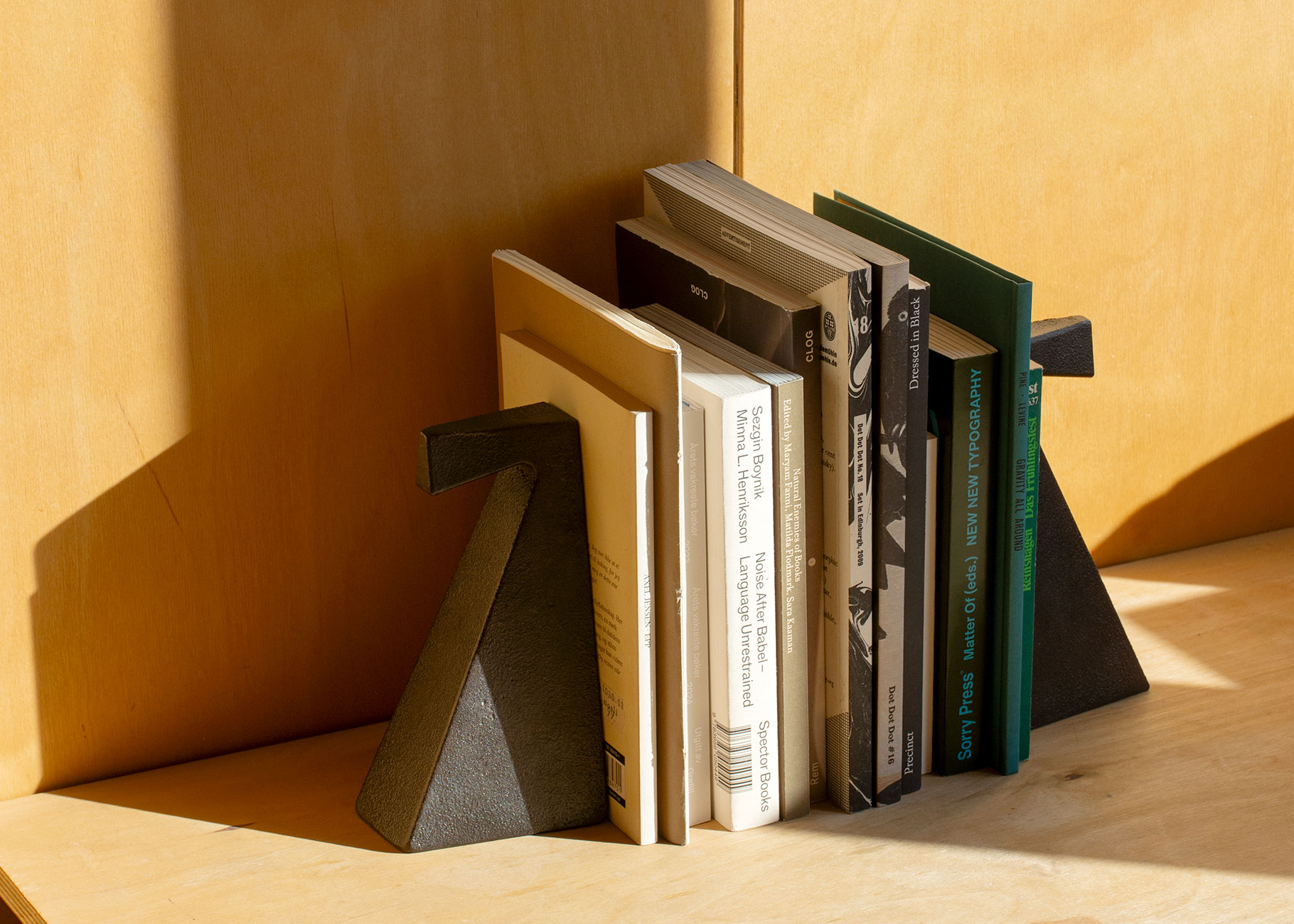
A place among the objects we choose to keep. Image courtesy of Nedre Foss.